How to Become a Chef in India:A Step-by-Step Guide
To become a chef in India, you can choose a hotel management degree, a culinary diploma, a certificate course, or practical on-the-job training.Many formal courses require a Class 10 or 12 qualification, depending on the program.Building cooking skills, gaining hands-on kitchen experience, and learning from professional chefs can help you start your culinary career.
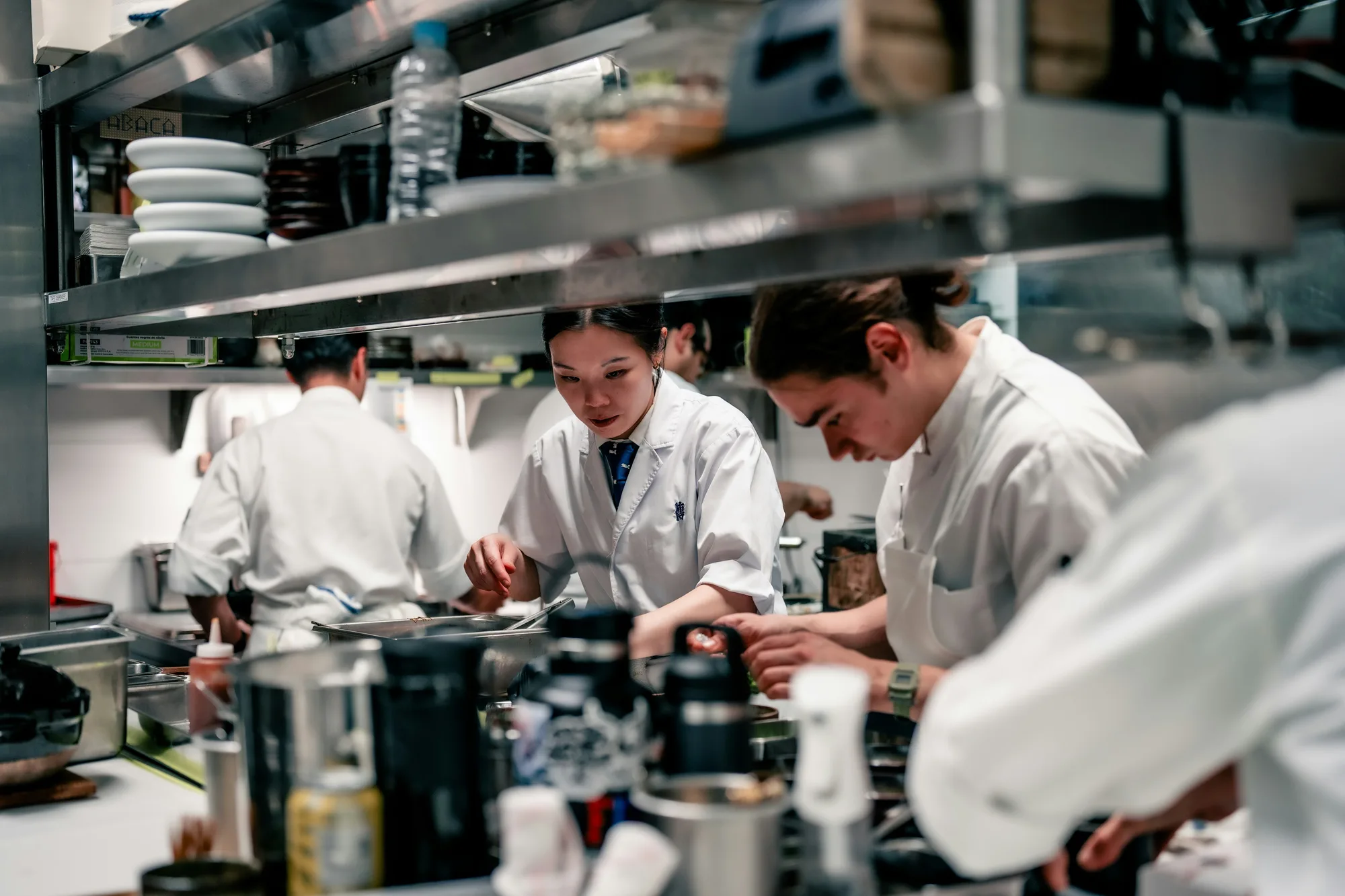
What Does a Chef Do?
A chef prepares food, manages kitchen activities, and ensures every dish meets quality, taste, and hygiene standards. Daily responsibilities include planning menus, preparing ingredients, cooking meals, checking food quality, and maintaining a clean and organized kitchen.
Chefs can work in different areas of the food industry, depending on their skills and interests.
Types of Chefs and Career Paths
- Restaurant Chef: Prepares dishes, manages food orders, and maintains consistency in a restaurant kitchen.
- Hotel Chef: Works in hotel kitchens, preparing different cuisines and managing food service operations.
- Bakery and Pastry Chef: Specializes in cakes, breads, pastries, desserts, and other baked products.
- Cloud Kitchen Chef: Prepares food for online orders, focusing on quality, packaging, and timely delivery.
- Chef and Business Owner: Runs a restaurant, bakery, café, or catering business while managing food preparation and kitchen operations.
Each career path requires practical cooking skills, creativity, teamwork, and an understanding of food safety.
Chef Education Routes Compared
There are several ways to become a chef in India. The right path depends on your education, career goals, and available time. Some courses provide broad hospitality knowledge, while others focus on practical cooking skills.
| Education Route | Duration | Eligibility | Best For |
|---|---|---|---|
| Hotel Management Degree (IHM / BHM / B.Sc.) | Usually 3–4 years | Generally Class 12 | Students seeking structured hospitality education |
| Culinary or Food Production Diploma | Around 1–2 years | Usually Class 12; varies by institute | Students seeking focused professional kitchen training |
| Certificate Courses & Practical Workshops | A few days to several months; some certificates are longer | Varies by course | Beginners, home cooks, and food entrepreneurs |
| On-the-Job Training | No fixed duration | Depends on the employer | Learners who prefer gaining experience directly in a kitchen |
| Overseas Culinary Education | Varies by country and program | Academic, language, and visa requirements vary | Students planning international culinary education |
Important: For the B.Sc. in Hospitality and Hotel Administration offered through NCHMCT-affiliated IHMs, admission is generally through the NCHM JEE entrance examination. Applicants must have passed Class 12 with English as a subject. Other institutes and courses may follow different admission procedures.
A degree offers broader hospitality education, while diplomas and practical culinary courses focus more directly on kitchen skills. Choose a program based on what you want to learn and where you plan to work.
Skills Every Chef Needs
Becoming a successful chef requires more than knowing how to cook. Professional chefs need technical skills, good organization, and the ability to work efficiently in a busy kitchen.
Essential Cooking Skills
- Knife Skills: Cutting, chopping, and preparing ingredients safely and accurately.
- Cooking Techniques: Understanding frying, grilling, roasting, baking, and other cooking methods.
- Food Hygiene & Safety: Handling ingredients safely, preventing contamination, and maintaining kitchen cleanliness.
- Food Presentation: Plating dishes neatly while maintaining taste, quality, and consistency.
Kitchen Management & Business Skills
- Food Costing: Calculating ingredient costs, controlling waste, and managing food expenses.
- Menu Planning: Creating practical menus based on customer preferences, ingredients, and kitchen capacity.
- Teamwork: Communicating clearly and coordinating with other kitchen staff.
- Time Management & Speed: Preparing orders efficiently without compromising food quality.
Developing these skills through regular practice and real kitchen experience helps aspiring chefs prepare for professional cooking environments.
Chef Courses in Kerala
Kerala offers different culinary training options for students who want to become professional chefs. These include hotel management degrees, food production diplomas, bakery and pastry courses, and short-term cooking workshops. The right course depends on your career goals, preferred specialization, and learning style.
Hands-On Culinary Courses and Short Workshops
Students who prefer practical cooking experience can also explore specialized culinary training programs. Popular options include:
- Bakery and Pastry Courses: Learn cakes, breads, brownies, pastries, and dessert preparation.
- Arabian Cuisine Workshops: Focus on dishes such as mandi, alfaham, shawarma, and shawai.
- Fast Food Training: Learn fried chicken, burgers, wraps, sauces, and other popular menu items.
- Dessert Workshops: Develop practical skills in preparing cheesecakes, tiramisu, doughnuts, and other desserts.
For example, Entrain Culinary Academy in Manjeri, Malappuram, offers hands-on cooking workshops guided by experienced chefs. Students prepare dishes themselves, receive individual guidance, and learn practical kitchen techniques. The academy also provides recipe books, business guidance, and placement assistance.
To explore available programs and specializations, visit our best culinary courses in Kerala page.
When choosing a chef course, compare the practical training hours, course syllabus, trainer experience, facilities, and career support. A suitable program should match the skills you want to develop and your long-term career plans.
How to Choose a Culinary Academy in India or Kerala
Choosing the right culinary academy is an important step toward becoming a professional chef. Before joining a course, compare the quality of practical training, teaching methods, facilities, and total fees. A good institute should provide clear information about what students will learn and how the training works.
What to Check Before Joining a Culinary Academy
- Hands-On Training Hours: Ask how much time students spend cooking themselves instead of only watching demonstrations.
- Chef Experience: Check the trainers' professional kitchen experience and areas of specialization.
- Kitchen Equipment: Look for well-maintained cooking stations, commercial equipment, and proper safety facilities.
- Internship Opportunities: Find out whether the course includes internships, industry exposure, or practical work experience.
- Course Certificate: Confirm what certificate you will receive and whether it is recognized for your intended career path.
- Batch Size: Ask how many students attend each session and whether everyone gets enough individual practice.
- Transparent Fees: Check the complete course fee, including ingredients, equipment use, accommodation, and any additional charges.
Students interested in professional baking can also explore a bakery and pastry diploma to understand the course syllabus and practical training options.
Red Flags to Watch Out For
Be careful when an institute:
- Guarantees Jobs Without Clear Terms: Promises employment without explaining the placement process or conditions.
- Does Not Allow Kitchen Visits: Refuses reasonable requests to inspect the training facilities or observe how practical sessions are conducted.
- Provides Vague Fee Details: Does not clearly explain the total cost, additional charges, or refund policy.
- Offers Limited Practical Training: Focuses mainly on classroom lessons without enough opportunities to cook.
Before paying the course fee, visit the academy if possible. Speak with trainers, inspect the kitchen, review the syllabus, and ask about previous students' experiences. These steps can help you choose a culinary training program that matches your expectations and career goals.
Mistakes to Avoid
When choosing a culinary course, small mistakes can affect your learning experience and career plans. Avoid these common mistakes before enrolling:
- Paying Without a Trial or Visit: If possible, attend a trial session or visit the training kitchen before paying. This helps you understand the teaching style and facilities.
- Expecting Guaranteed Placement: Placement assistance does not guarantee a job. Ask about the institute's recruitment support and focus on developing your cooking skills.
- Skipping Practical Training: Watching cooking demonstrations alone is not enough. Choose a course that gives you regular opportunities to prepare dishes independently.
Taking time to evaluate these factors can help you make a better decision and get more value from your culinary training.
Frequently Asked Questions
Who is a chef?
A chef is a culinary professional who prepares food and may also manage recipes, kitchen operations, food quality and hygiene. Chefs work in restaurants, hotels, bakeries, catering businesses and other professional kitchens.
Do I need a degree to become a chef in India?
No, a culinary degree is not compulsory for every chef job in India. You can develop professional cooking skills through culinary courses, apprenticeships and kitchen experience. However, some employers may require specific qualifications.
Can I become a chef without formal training?
Yes. You can start by learning basic cooking skills and gaining experience in a professional kitchen. However, structured culinary training can help you learn essential techniques, food safety and kitchen practices more systematically.
How long does it take to become a chef?
It depends on your training and career goals. Short-term courses can teach specific skills in days or weeks, while diplomas and degrees take longer. Becoming an experienced professional chef generally requires substantial kitchen practice over several years.
Which course is best for a bakery and pastry career?
Choose a practical bakery and pastry course covering breads, cakes, pastries, desserts, baking techniques and food safety. For a professional career, look for comprehensive training and opportunities to gain real bakery experience.
Is a short course enough to start a food business?
A short cooking course can help you learn recipes and preparation techniques, but starting a food business also requires costing, food safety compliance, equipment planning, marketing and operational knowledge.
What course should I do to become a chef?
You can choose a culinary arts degree, diploma, certificate program or practical cooking course based on your goals. Comprehensive programs suit broader professional training, while short-term courses help develop specific cooking skills.
Does a culinary academy guarantee a job?
No culinary academy can guarantee employment. Entrain Academy offers placement support and career guidance to help students explore job opportunities. Employment depends on individual skills, experience, employer requirements and available vacancies.
What should I check before joining a culinary course?
Check the syllabus, practical training hours, instructor experience, course fees, certificate details and career support. Choose a course that matches your career goals.
What is the difference between a cooking class and a professional culinary course?
Cooking classes often focus on specific recipes or techniques. Professional culinary courses generally cover broader skills such as food preparation, hygiene, kitchen operations and cooking methods.